Original: $16.99
-65%$16.99
$5.95The Story
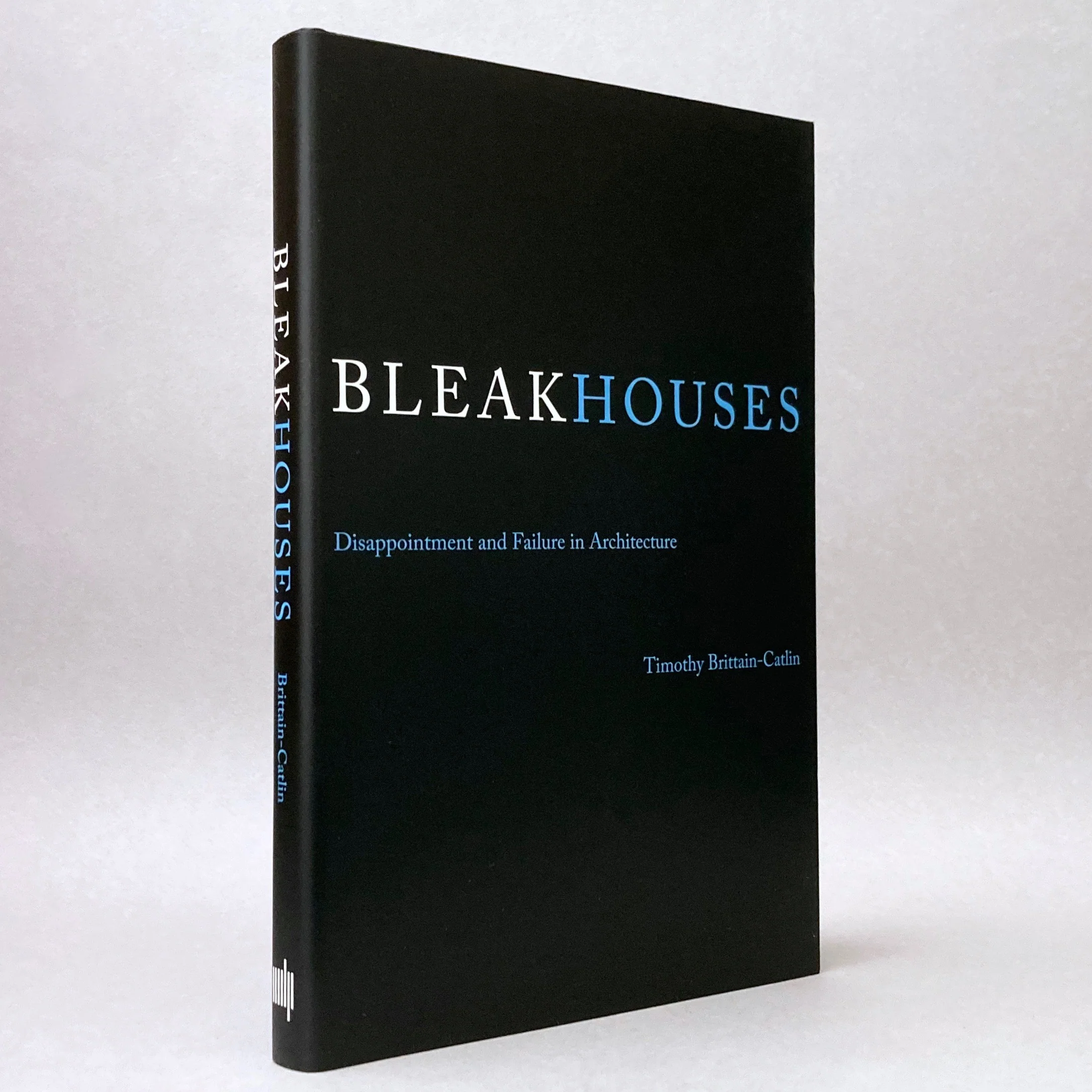
Hardcover | 23.24 x 16.92 x 1.75 cm | 192 pp
MIT Press | 2014 | 9780262026697
PLEASE NOTE: This title has been remainder marked by the publisher - a marker pen dot or line on one edge. See images for example.
The usual history of architecture is a grand narrative of soaring monuments and heroic makers. But it is also a false narrative in many ways, rarely acknowledging the personal failures and disappointments of architects. In Bleak Houses, Timothy Brittain-Catlin investigates the underside of architecture, the stories of losers and unfulfillment often ignored by an architectural criticism that values novelty, fame, and virility over fallibility and rejection.
Brittain-Catlin tells us about Cecil Corwin, for example, Frank Lloyd Wright's friend and professional partner, who was so overwhelmed by Wright's genius that he had to stop designing; about architects whose surviving buildings are marooned and mutilated; and about others who suffered variously from bad temper, exile, lack of talent, lack of documentation, the wrong friends, or being out of fashion. As architectural criticism promotes increasingly narrow values, dismissing certain styles wholesale and subjecting buildings to a Victorian litmus test of "real" versus "fake," Brittain-Catlin explains the effect that this superficial criticality has had not only on architectural discourse but on the quality of buildings. The fact that most buildings receive no critical scrutiny at all has resulted in vast stretches of ugly modern housing and a pervasive public illiteracy about architecture.
Architecture critics, Brittain-Catlin suggests, could learn something from novelists about how to write about buildings. Alan Hollinghurst in The Stranger's Child, for example, and Elizabeth Bowen in Eva Trout vividly evoke memorable houses. Thinking like novelists, critics would see what architectural losers offer: episodic, sentimental ways of looking at buildings that relate to our own experience, lessons learned from bad examples that could make buildings better.

Details & Craftsmanship
Every detail has been carefully considered to bring you the perfect product.
Description
Hardcover | 23.24 x 16.92 x 1.75 cm | 192 pp
MIT Press | 2014 | 9780262026697
PLEASE NOTE: This title has been remainder marked by the publisher - a marker pen dot or line on one edge. See images for example.
The usual history of architecture is a grand narrative of soaring monuments and heroic makers. But it is also a false narrative in many ways, rarely acknowledging the personal failures and disappointments of architects. In Bleak Houses, Timothy Brittain-Catlin investigates the underside of architecture, the stories of losers and unfulfillment often ignored by an architectural criticism that values novelty, fame, and virility over fallibility and rejection.
Brittain-Catlin tells us about Cecil Corwin, for example, Frank Lloyd Wright's friend and professional partner, who was so overwhelmed by Wright's genius that he had to stop designing; about architects whose surviving buildings are marooned and mutilated; and about others who suffered variously from bad temper, exile, lack of talent, lack of documentation, the wrong friends, or being out of fashion. As architectural criticism promotes increasingly narrow values, dismissing certain styles wholesale and subjecting buildings to a Victorian litmus test of "real" versus "fake," Brittain-Catlin explains the effect that this superficial criticality has had not only on architectural discourse but on the quality of buildings. The fact that most buildings receive no critical scrutiny at all has resulted in vast stretches of ugly modern housing and a pervasive public illiteracy about architecture.
Architecture critics, Brittain-Catlin suggests, could learn something from novelists about how to write about buildings. Alan Hollinghurst in The Stranger's Child, for example, and Elizabeth Bowen in Eva Trout vividly evoke memorable houses. Thinking like novelists, critics would see what architectural losers offer: episodic, sentimental ways of looking at buildings that relate to our own experience, lessons learned from bad examples that could make buildings better.