
Original: $33.97
-65%$33.97
$11.89The Story
Hardcover 24 x 1.3 x 30 cm | 136 pp
Schlit Publishing | 2019 | 9789053309162
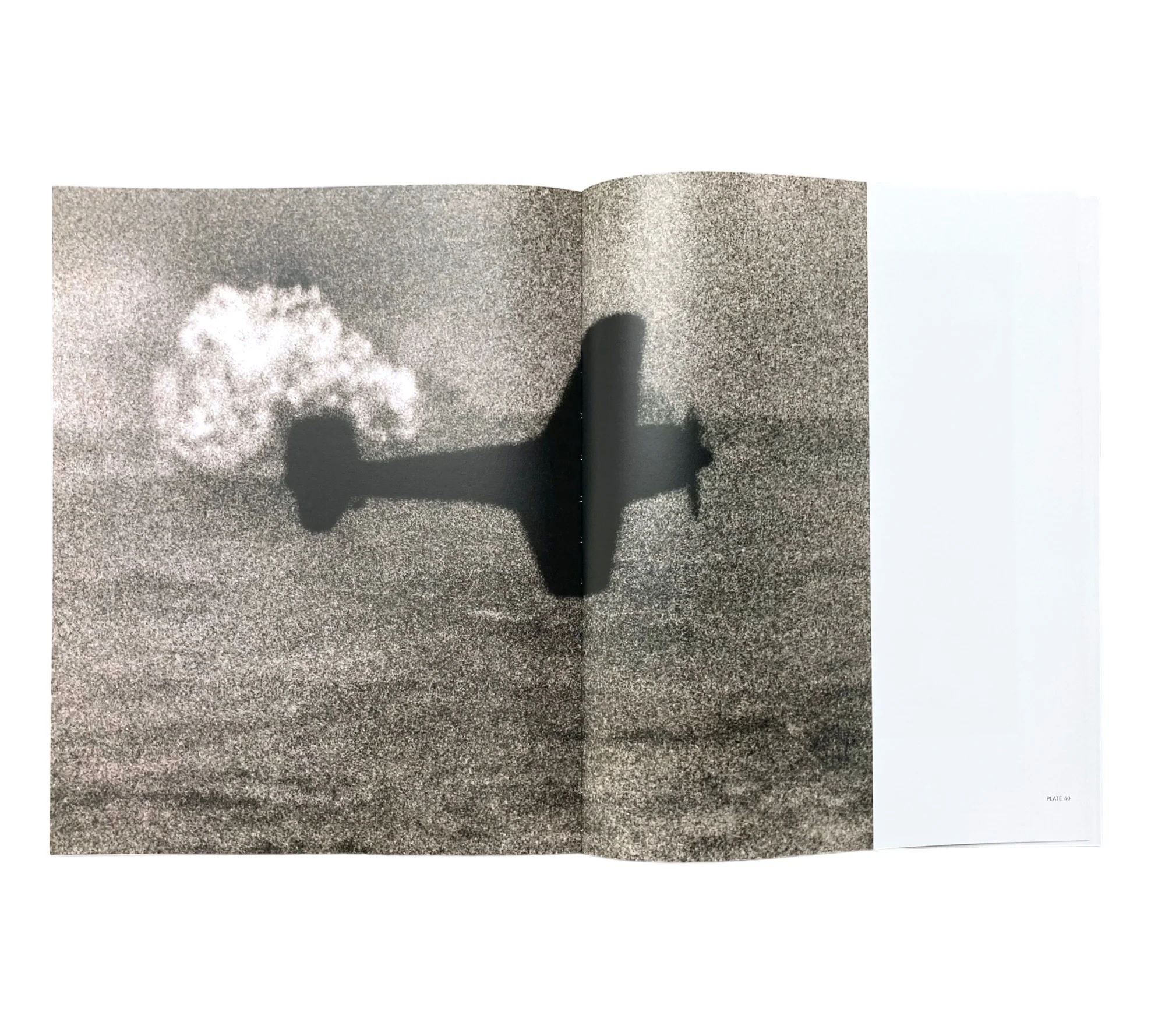
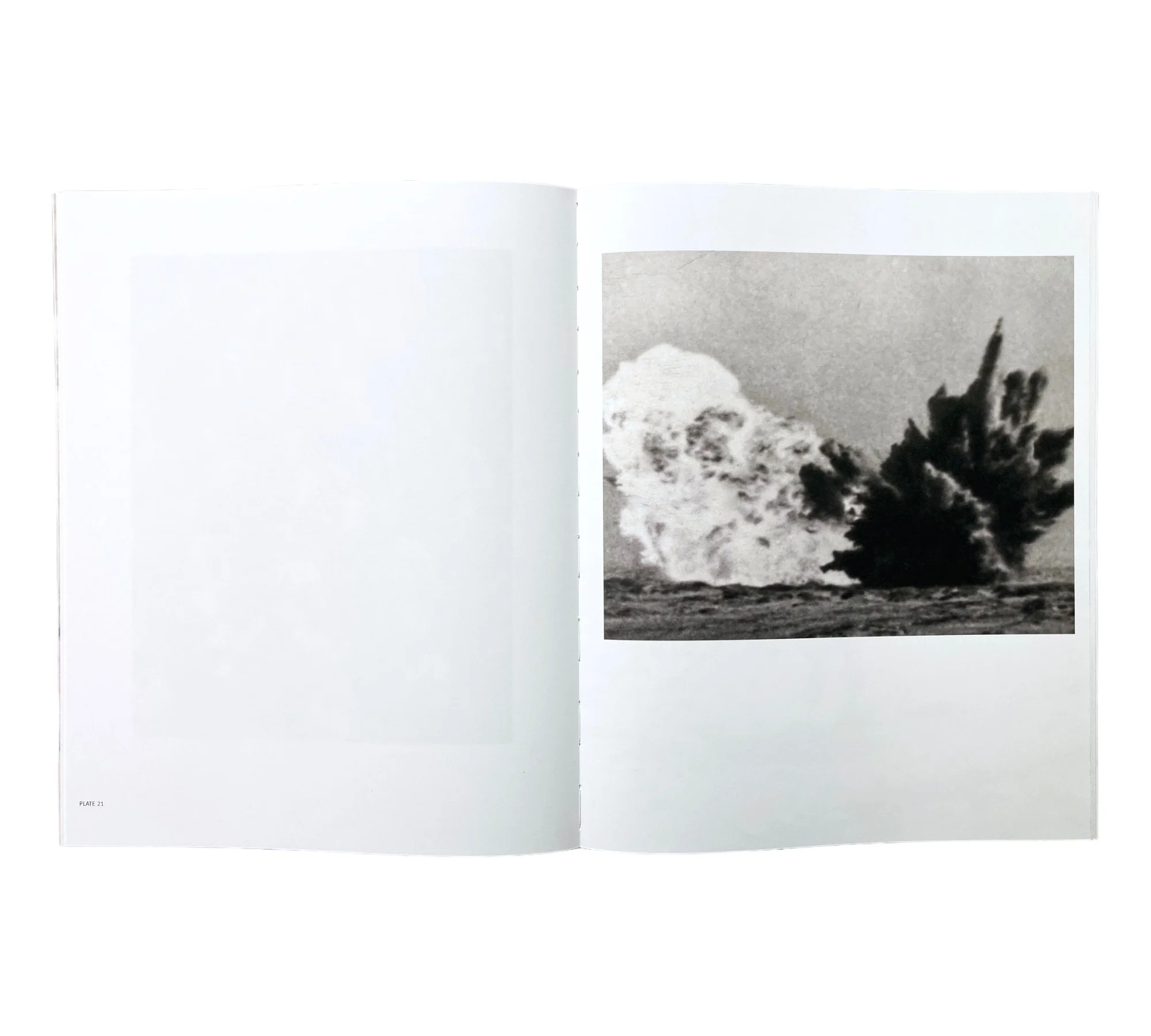
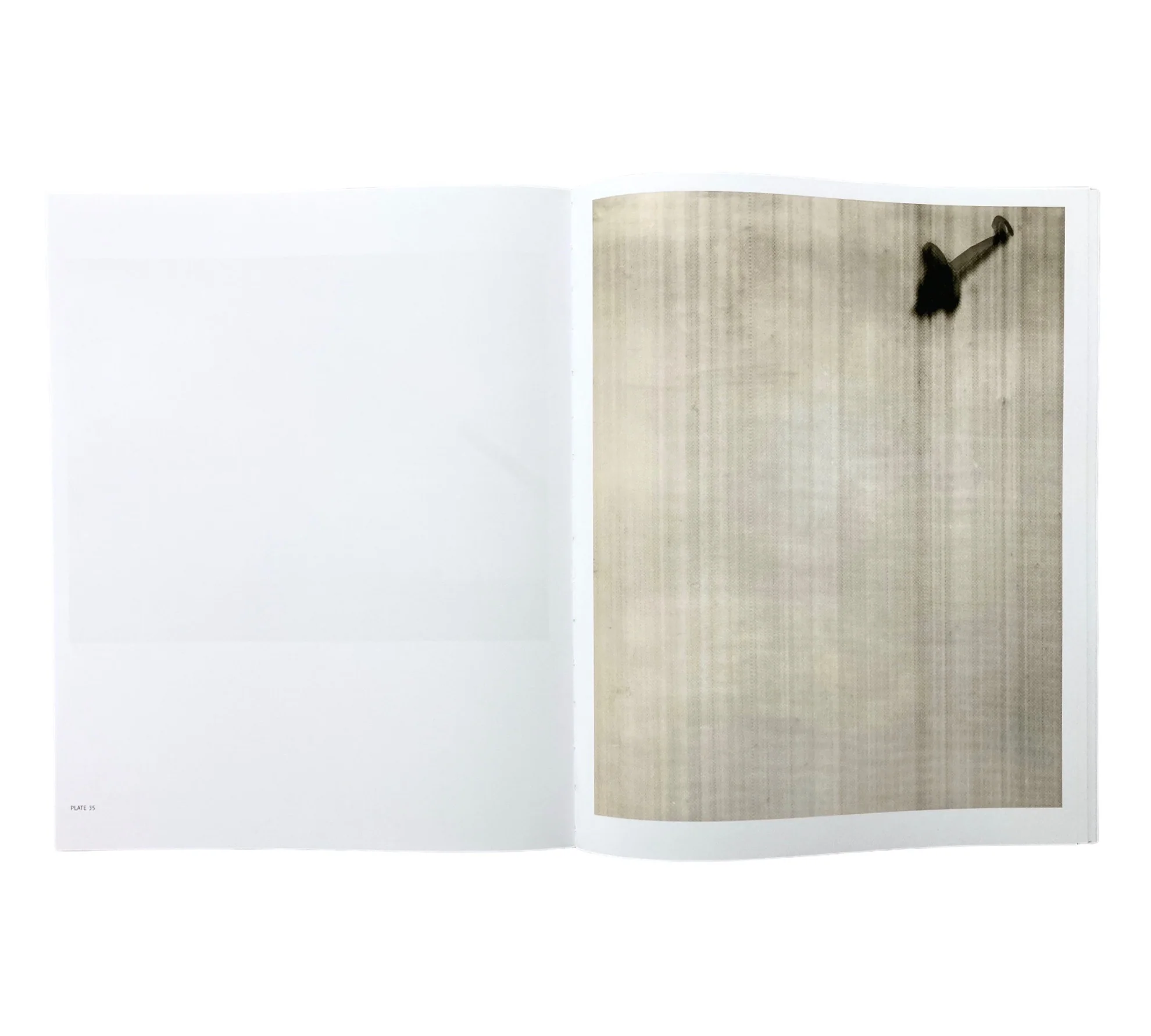
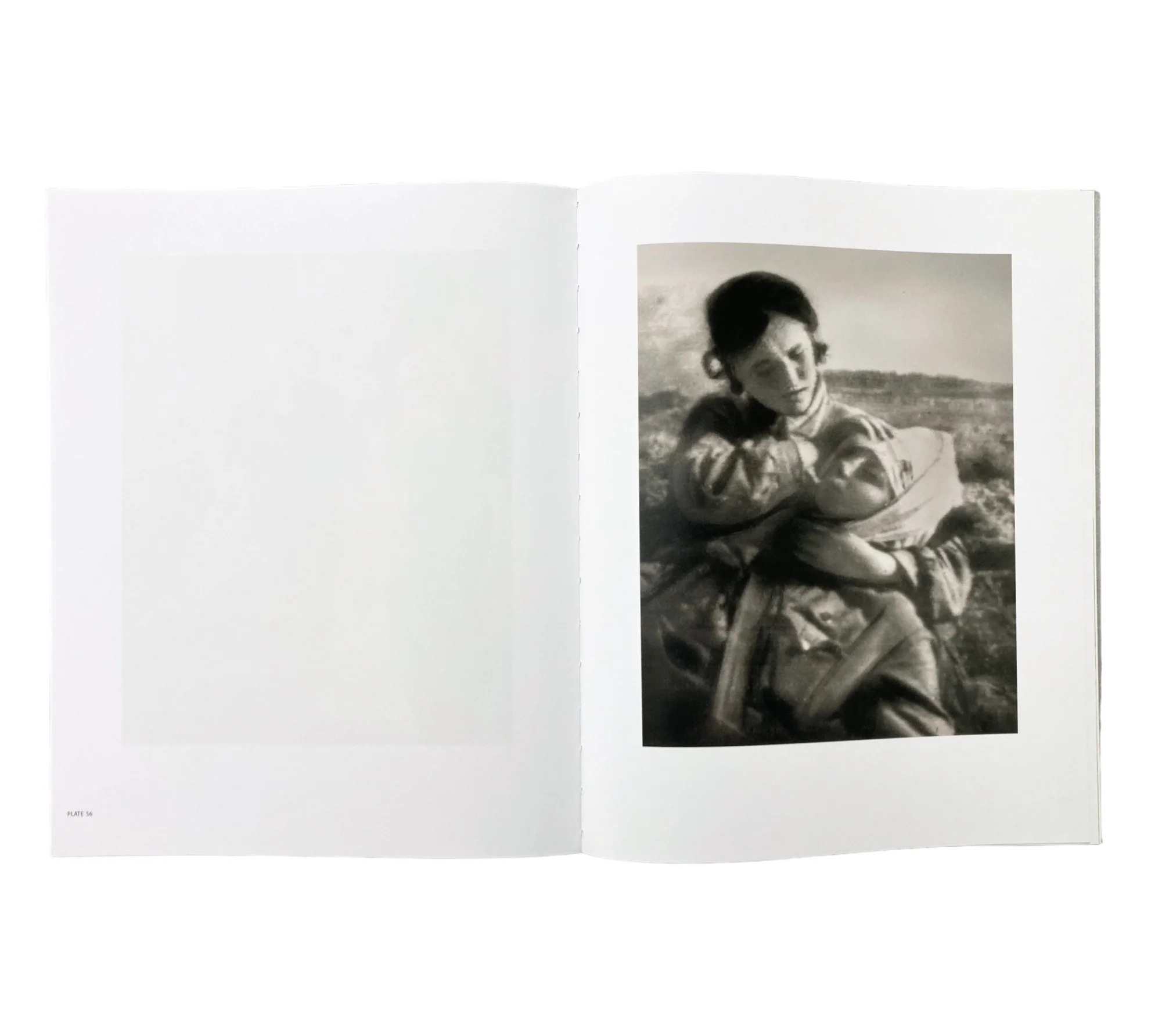
Wirephoto is the sending of photographs by telegraph, telephone or radio. David Pace and Stephen Wirtz manipulate and transform wirephotos transmitted during World War II. Beginning with an extensive collection of originals assembled by Wirtz over a period of many years, they scan the images, radically re-cropping and dramatically enlarging portions of the archival wirephotos. Their croppings and enlargements expose the artifacts of the wirephoto technology – the dots, lines, irregularities and retouchings from the war years.
The transformations introduced by Pace and Wirtz not only extend, but also reverse, the intentions of the wartime retouchers: instead of obscuring the dots and lines to create a clearer image, Pace and Wirtz reveal and enhance the dots and lines, exposing the technological processes that produced the images. Instead of retouching the images to create an illusion of reality, they make visible the manipulation of the images that were published as news. Instead of enhancing the content to support a narrative of just war and ethical victory, their dramatic enlargements transform wartime content into near-abstraction, creating a subtle counter-narrative.

Details & Craftsmanship
Every detail has been carefully considered to bring you the perfect product.

Details & Craftsmanship
Every detail has been carefully considered to bring you the perfect product.
Details & Craftsmanship
Every detail has been carefully considered to bring you the perfect product.

Details & Craftsmanship
Every detail has been carefully considered to bring you the perfect product.
Details & Craftsmanship
Every detail has been carefully considered to bring you the perfect product.
Details & Craftsmanship
Every detail has been carefully considered to bring you the perfect product.

Details & Craftsmanship
Every detail has been carefully considered to bring you the perfect product.
Details & Craftsmanship
Every detail has been carefully considered to bring you the perfect product.

Details & Craftsmanship
Every detail has been carefully considered to bring you the perfect product.

Details & Craftsmanship
Every detail has been carefully considered to bring you the perfect product.
Description
Hardcover 24 x 1.3 x 30 cm | 136 pp
Schlit Publishing | 2019 | 9789053309162
Wirephoto is the sending of photographs by telegraph, telephone or radio. David Pace and Stephen Wirtz manipulate and transform wirephotos transmitted during World War II. Beginning with an extensive collection of originals assembled by Wirtz over a period of many years, they scan the images, radically re-cropping and dramatically enlarging portions of the archival wirephotos. Their croppings and enlargements expose the artifacts of the wirephoto technology – the dots, lines, irregularities and retouchings from the war years.
The transformations introduced by Pace and Wirtz not only extend, but also reverse, the intentions of the wartime retouchers: instead of obscuring the dots and lines to create a clearer image, Pace and Wirtz reveal and enhance the dots and lines, exposing the technological processes that produced the images. Instead of retouching the images to create an illusion of reality, they make visible the manipulation of the images that were published as news. Instead of enhancing the content to support a narrative of just war and ethical victory, their dramatic enlargements transform wartime content into near-abstraction, creating a subtle counter-narrative.